
Recovering from hip surgery takes time, and dealing with pain is often part of that process. The good news is, pain doesn’t have to take over your recovery. With the right approach, it’s possible to ease discomfort and support your body as it heals. Whether you’re just out of surgery or a few weeks into recovery, managing pain well can mean better movement and steady progress day by day.
In Newcastle and Lake Macquarie, many people undergo hip surgery for different reasons, from sports injuries to arthritis-related damage. Each person’s recovery is unique, but the way pain is managed in those first few weeks can really set the tone. Getting the right support not only helps you feel more comfortable but also plays a big role in how well and how quickly you regain mobility and independence.
Understanding Post-Operative Pain
Pain after hip surgery is very common. It’s often caused by the trauma of surgery itself, not just the condition that led to surgery. Swelling around the joint, tightness in the muscles, and sensitivity at the incision site are all expected reactions in the first few days. While this pain can catch people by surprise, it’s generally a sign that your body is beginning its healing process.
Here are some common kinds of post-operative pain you may feel after hip surgery:
– Incisional pain: This comes from the surgical cut, which tends to feel sore and tender in the early stage of recovery
– Muscle soreness: Nearby muscles may ache because they were moved during surgery or haven’t been used as much
– Joint stiffness: Fluid build-up or immobility can make the joint feel tight or hard to move
– Nerve irritation: Sometimes, nerves near the surgical site become irritated, leading to shooting or burning discomfort
Pain may also come and go, or become more noticeable as you start to move around again. It can vary depending on how active you were before surgery, your age, and even the type of procedure you had. If you’re feeling overwhelmed by the discomfort, you’re definitely not alone, and there are safe, practical ways to manage it as you work through the early stages of healing.
Effective Pain Management Techniques
A strong pain management plan includes more than just rest. It calls for a mix of tools that support both your comfort and your mobility. Depending on the situation, a combination of these techniques may be used in a tailored plan to control pain without slowing down your recovery.
1. Medication Support
Pain relief medications are commonly prescribed to help bring discomfort under control during the first couple of weeks. These may include anti-inflammatories or stronger options for short-term relief.
2. Physical Therapy
Gentle movement, when guided by a physio, can reduce stiffness and prevent long-term joint immobility. Specific stretches and low-impact exercises help improve circulation, reduce swelling and keep muscles active. While the idea of movement might sound painful at first, many people find that doing the right type of movement actually helps relieve pain over time.
3. At-Home Techniques
Some things can be done at home to manage pain day-to-day:
– Apply a cold pack for 10 to 15 minutes to reduce swelling and numb the area
– Use pillows to prop up the leg at rest, helping with circulation and joint pressure
– Keep moving gently every couple of hours to avoid stiffness
– Wear supportive footwear to reduce pressure on the hip joint when walking indoors
Each person heals at their own pace, which means what works for someone else may not work for you, and that’s okay. Finding a pain management method that supports your progress is a key part of moving forward with confidence.
The Role of Post-Operative Physiotherapy in Newcastle and Lake Macquarie
Personalised physiotherapy is an important part of bouncing back after hip surgery. It provides targeted care that matches your current challenges, helping you manage pain more effectively and support safe recovery. A physio will assess your progress and adjust your program as you heal, which makes sure each session is helping you move toward better mobility.
Physiotherapy isn’t just focused on exercises. It’s about knowing which movements promote healing and which should be avoided. By working on flexibility, balance, and strengthening the muscles around your hips, physiotherapy can ease discomfort and help you regain function sooner. In Newcastle and Lake Macquarie, access to experienced physiotherapists is available through local clinics like ours, where treatment plans are personalised for each patient and their pace of recovery.
Preparing for Your Physiotherapy Sessions
Your first physiotherapy session after surgery might feel a little intimidating, but preparing ahead helps ease that stress. Here are few simple ways to get the most out of your visit:
– Wear comfortable clothes: Loose trackpants, shorts, or something that allows free movement is best so your physio can assess your range of motion easily
– Communicate openly: Let your physio know how you’re feeling before the session starts. Talk about any soreness or concerns you might have
– Set goals: Sit down with your physio and create goals you feel are realistic. This could be anything from walking easier to being able to do daily tasks with less discomfort
– Keep it regular: Skipping appointments may slow progress. Try to stick with the plan even if you feel a little sore or worn out
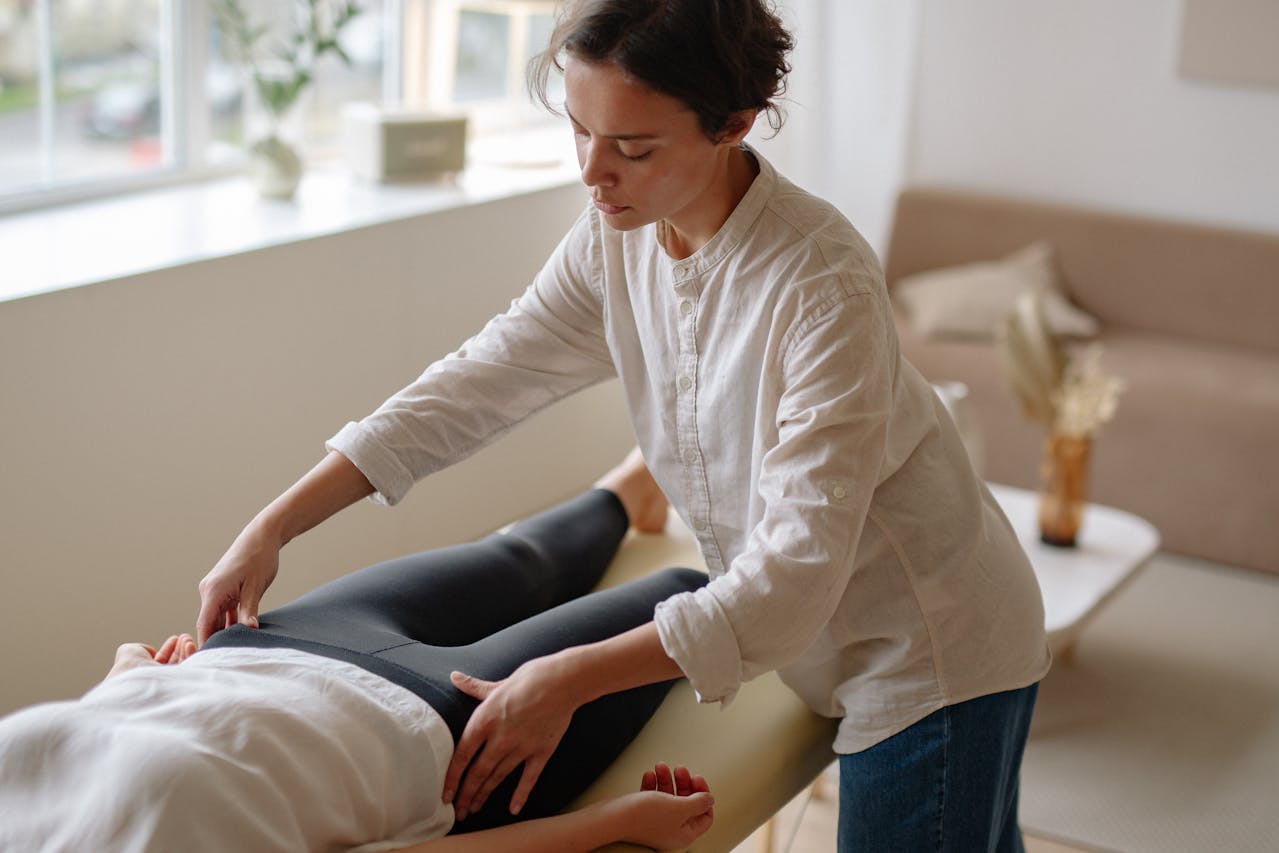
During your session, expect a mix of hand on therapy and techniques to improve how your body moves. You may also be given light exercise to do at home in between sessions, which are just as important to your recovery. The goal is to help your body regain flexibility and strength at a steady, safe pace.
Keeping Long-Term Pain Management in Check
When the early recovery phase is over, long-term pain management still matters. People often stop physiotherapy after a few sessions once the sharp pain goes away, but continuing with your physio’s advice is a smart move. Ongoing movement, light activity, and occasional check-ins with your physiotherapist can keep discomfort from making an unwanted return.
Daily routines play a big part in long-term comfort. Swimming, light walking, or using a stationary bike can all support joint movement and ease pressure. Building hip strength and balance back to previous levels takes persistence, even if the worst of the pain has passed. It’s also helpful to stay aware of any changes to how your hip feels. If stiffness or discomfort starts returning, touching base with your physio early can help prevent it from getting worse.
Consistency gives your body the best chance to stay strong and mobile. Long-term recovery is about working with your body’s signals and giving it what it needs through regular movement and support.
Your Journey to Recovery with Macquarie Physiotherapy
Recovering from hip surgery takes more than rest and time. Having a clear pain management plan that includes tailored physiotherapy, home care, and support from experienced professionals means a better chance at getting back to doing the things you love without ongoing discomfort.
Newcastle and Lake Macquarie locals can benefit from personalised post-operative physiotherapy that suits where they are in their recovery process. At Macquarie Physiotherapy, we believe each person’s path to healing is different. That’s why support, education, and adaptable care are always part of what we do. Making progress doesn’t happen overnight, but with the right guidance, you can feel confident as you move towards comfort, confidence, and greater independence.
Looking for expert guidance to help you manage your recovery after hip surgery? Discover how post-operative physiotherapy in Newcastle and Lake Macquarie with Macquarie Physiotherapy can support your progress with personalised care and a focus on long-term comfort and mobility.