Dry needling can play a helpful role in easing certain muscle aches and body tension, but it’s not always easy to know when it should be used. Some people might hear about it through a friend or read about it online, and then wonder if it might be right for them.
As physiotherapists, we often get asked what dry needling does and when it fits into a recovery plan. If you’ve been curious about working with a dry needling physiotherapist in Newcastle and Lake Macquarie, this is a good place to start. Understanding how and when it fits into your care can help you feel more confident about your options.
What Is Dry Needling and How Does It Work?
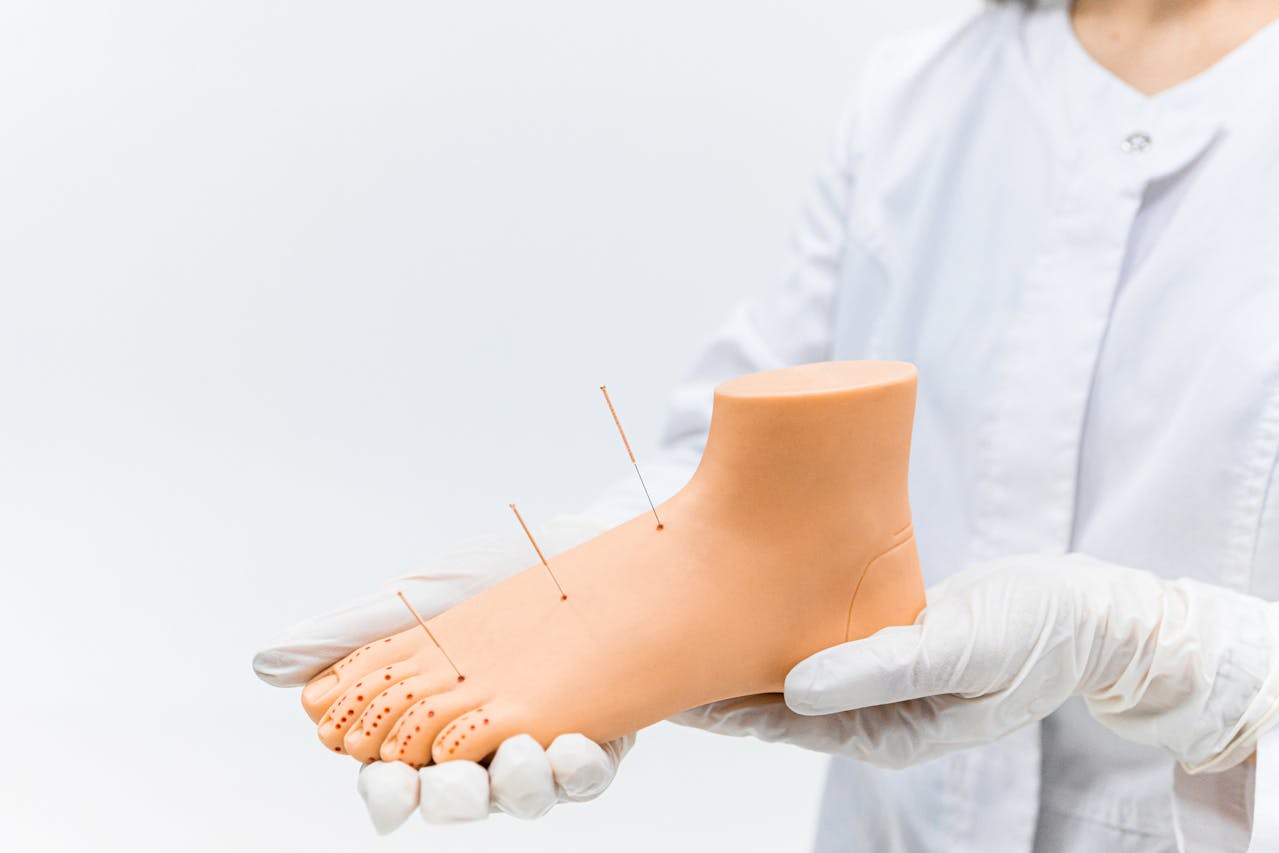
Dry needling is a technique some physiotherapists use to help relax tight muscle groups that aren’t loosening up with stretching or movement work. It involves inserting a very fine needle into what we call a trigger point, which is a tight or sensitive spot in the muscle. These trigger points can sometimes cause discomfort or stiffness either right where they are or in nearby areas.
It’s common to mix up dry needling and acupuncture because they both use needles, but they aren’t the same. Acupuncture comes from traditional Chinese medicine and follows a different goal. Dry needling aims to release muscle tension and improve how that part of the body moves or functions.
When used in physiotherapy, dry needling often becomes part of a broader plan. We usually pair it with movement-based work that helps support results over time. The idea isn’t just to ease the discomfort short term, but to help the body return to better function.
Macquarie Physiotherapy offers dry needling as one of our physiotherapy services for people experiencing ongoing muscle tension, chronic pain, or postural strain that doesn’t resolve with exercise or manual therapy alone. Dry needling sessions at our three clinics are carried out by physiotherapists with specific training in the technique and are integrated into personalised care plans.
When Dry Needling Might Be Helpful in Your Recovery
There are times in recovery when muscles just won’t settle, even after trying movement, rest, or stretching. That’s when dry needling might be considered. It isn’t something we jump to first, but it can add value later in the process.
Here are a few situations where dry needling might make sense:
- The muscle feels stuck or tight and hasn’t changed after consistent stretching or strengthening
- There’s a clear trigger point causing discomfort during movement or when touched
- That tightness is getting in the way of progress or stopping you from doing daily tasks
In the context of overuse or sport-related aches, dry needling may help release tension that’s building up with repeated activity. It can also support posture-related stress, especially when long hours sitting or standing have created tight spots that don’t respond to self-care.
We don’t use dry needling as a replacement for exercise or movement, but occasionally it can ease a certain spot enough to make those other things more comfortable or effective.
Signs It Might Not Be the Right Time for Dry Needling
Dry needling isn’t the right fit for every stage of recovery. Sometimes people are early in their healing, or their condition might respond better to different types of care.
A few reasons dry needling might not be helpful right away include:
- Recovery is just beginning and the body hasn’t yet tried gentle movement or strength work
- There’s soreness coming from another source, like a joint or nerve, not muscle tightness
- The area is already sensitive, irritated, or inflamed and needs time to calm first
We always want to make sure the approach matches where someone is in their recovery. That’s why a clear assessment is important. It helps build a plan that’s steady and avoids adding to discomfort.
In some cases, a better first step is guided movement work, heat or cold, or slow pacing. Once the body is on the right track, and if needed, dry needling might be considered later on.
What to Expect from Your Appointment
If dry needling becomes part of your plan, it helps to know what to expect. We always talk through the process first and listen to any questions or concerns. Most people feel more at ease when things aren’t a surprise.
A typical dry needling session might include:
- A short discussion and assessment to talk through what’s been going on
- The dry needling itself, which usually takes just a few minutes per area
- Advice on what to do after, like gentle movement and increased hydration
It’s normal to feel some warmth, heaviness, or mild soreness after the session. This usually settles within a day or two. Every response is a little different, which is why it matters that you feel comfortable speaking up about how it feels during or after.
We check in regularly and make adjustments along the way. You can always pause or stop, and nothing is done without your okay. Recovery works best when it’s something we build together.
How Local Care Makes a Difference
Living in Newcastle and Lake Macquarie has its own daily rhythms and routines. Whether it’s walking around the lake, carrying groceries on the hills, or sitting in the car for long stretches, these patterns shape how your body handles stress. That’s why seeing someone local can make your plan more grounded.
Working with a dry needling physiotherapist in Newcastle and Lake Macquarie gives us the chance to look closely at how your routine shapes your movement. We can plan care around your walking tracks, your weekend yard work, or the kind of shoes you wear most days. Local streets, hills, shops, and weather all play a part, even if it’s subtle.
Bringing that kind of everyday context into the plan helps make recovery steadier and more real. It gives us more clues about what works and what doesn’t. That way, we’re not just focusing on the sore spot but on how you move through your day.
Macquarie Physiotherapy operates out of three convenient locations in Belmont, Glendale, and Gateshead, providing tailored physiotherapy assessments and evidence-based dry needling as part of holistic patient care in Newcastle and Lake Macquarie.
Finding What Works for Your Recovery Journey
There’s no single way to recover from pain or stiffness. What works for one person may feel too much or not enough for someone else. That’s why we look at dry needling as one tool, not something we always use or need to use.
Some people recover just fine with exercise and pacing. Others might find that easing a tight muscle with a short technique like this makes the rest of their plan feel more manageable. Being open about what helps (and what hasn’t helped) is part of finding the right rhythm.
Recovery is less about ticking off treatments and more about listening, adjusting, and staying patient. A clear plan, some accountability, and care that considers your everyday movements can go a long way. Whether dry needling becomes part of that or stays off the list, the goal stays the same, helping you move with more comfort again.
Wondering whether dry needling is the right approach for your muscle tension or discomfort? Sometimes the right mix of support depends on timing, your habits, and how your body responds. Connecting with a dry needling physiotherapist in Newcastle and Lake Macquarie could be a helpful next step if you’ve tried other options and still aren’t seeing the results you want.
At Macquarie Physiotherapy, we’re here to listen, ask questions that matter, and help you work out the best path for your recovery. Give us a call to book a consultation or have a chat about your unique needs.