
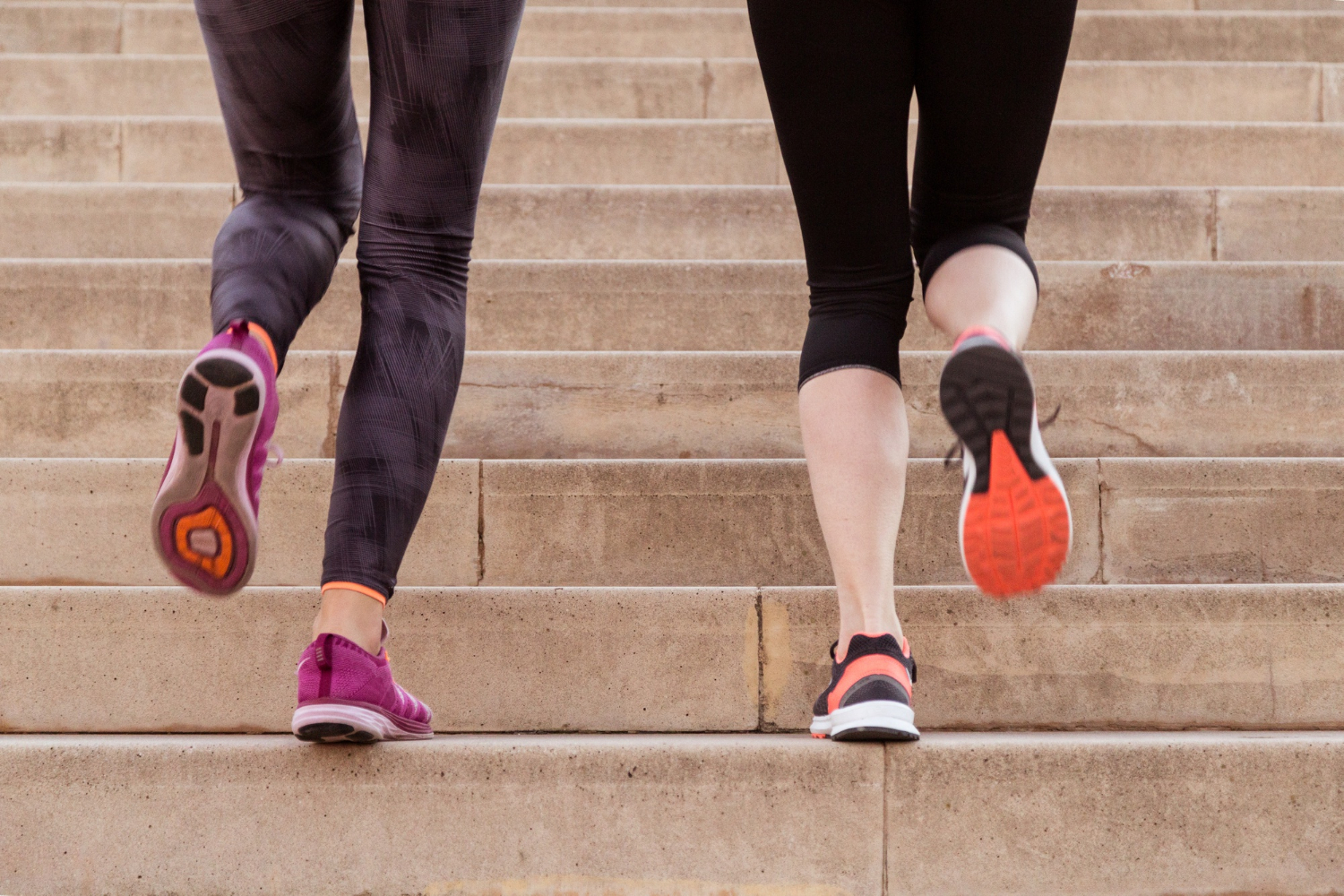
This happens more often than most people expect, and it doesn’t mean you’ve made things worse. A meniscus rehabilitation physiotherapist can help the body relearn how to move with more strength and stability. We’re taking a closer look at why stairs often feel harder during recovery and what can be done to improve everyday movement.
What the Meniscus Does for Your Knee
The meniscus is a wedge-shaped piece of fibrocartilage — a tough, specialised tissue — that sits between the bones of the knee joint. There are two menisci in each knee, one on the inner side and one on the outer side. Together, they help absorb shock, distribute load across the joint, and keep the knee stable during movement.
When the meniscus is injured, that smooth, controlled movement gets disrupted. Instead of spreading load evenly, the knee may feel uneven or unsteady.
- Walking on flat ground spreads your body weight more evenly
- Going up or down stairs shifts pressure onto a bent knee, where the meniscus is already working harder
- This added strain can expose weak spots in recovery that aren’t noticeable when standing still or walking slowly
The more demanding the movement, the more likely it is to highlight areas that still need support.
Why Stairs Feel Harder After a Meniscus Injury
Bending the knee while adding weight to it — as you do when using stairs — puts extra stress on the healing area. Even after the pain fades, stiffness or poor control can still linger.
Some people feel a catching or clicking sensation, especially when stepping down. Others notice they need to hold the rail or avoid stairs completely when tired. These signs are clues that the joint isn’t back to full comfort just yet.
- Stair use places significant load through the knee, and depending on where your meniscus injury is located, this can create discomfort in different parts of the joint. Your physiotherapist can help identify exactly where and why.
- Stair use can create tightness or hesitation if the surrounding muscles aren’t strong enough or movement timing feels off
- When one knee feels weaker, many people shift most of their weight to the other leg, which can lead to its own soreness over time
Body adjustments that seem small at first can snowball into new issues if they persist for too long.
What Can Happen Over Time Without Rehabilitation
It’s easy to avoid stairs when they feel tough, but over time, that choice can make things harder. The longer we avoid these movements, the more likely the muscles around the knee are to weaken.
Without proper support, this can lead to changes in posture or the way we walk. These shifts may not feel significant at first, but they can affect balance, coordination, and overall joint comfort.
- The knee may stiffen from limited use, slowing healing and making bending harder
- Muscle strength can drop if we avoid loading the leg
- Imbalanced movement habits often show up in simple tasks like getting off a chair, standing on one leg, or walking down a slight slope
What starts as a protective choice can slowly make the original problem harder to fix.
How Rehabilitation Builds Stair Strength and Confidence
This is where working with a physiotherapist can make a real difference. A meniscus rehabilitation physiotherapist doesn’t just treat the knee — they help the whole body adjust safely. The goal isn’t to push through pain. It’s to build steady progress.
Rehabilitation focuses on movements that bring the knee back into regular patterns, starting from basic control and moving to more complex tasks like stairs. Every part of the process is shaped by how the joint responds, not just how it should behave on paper.
- We build strength with small, low-risk movements first
- We help control how the knee loads during bending or standing
- We support pacing and posture so stairs don’t feel rushed or pressured
At Macquarie Physiotherapy, our clinics in Belmont, Glendale, and Gateshead provide education and hands-on guidance as part of meniscus rehabilitation. We create individualised plans that prioritise real-life activities, like stairs and daily walking, and use evidence-based strength progressions to ensure safety and confidence as mobility returns.
Rest, recovery, and muscle feedback all matter just as much as exercise. Moving with care often brings comfort and confidence back at the same time.
When to Ask for Help from a Local Physio
Some discomfort is a normal part of recovery, especially early on. But pain that appears weeks or months later can be a sign that the body is having trouble adapting.
If you’re in Newcastle or Lake Macquarie and find yourself limping down stairs, avoiding steps altogether, or feeling frustrated that nothing’s improving, we recommend checking in. You don’t need to be an athlete to benefit from support. Many everyday knees need everyday help.
- Swelling that returns, especially after activity, can suggest something is off
- A sensation of the knee locking — where it gets stuck and won’t straighten fully — is a specific symptom that should be assessed promptly by a physiotherapist or your GP, as it may indicate a displaced tear
- Ongoing stiffness going down stairs may point to imbalance elsewhere in the leg
Our physiotherapists can coordinate care with your GP or specialist, review your unique situation, and design therapy based on your recovery history and home environment. Meniscus rehab at Macquarie Physiotherapy is never rushed. Each phase is paced according to your comfort and strength to ensure long-term results.
Early advice can stop small patterns from turning into bigger problems down the road.
Restoring Comfort and Function, One Step at a Time
If stairs feel harder than they used to, you’re not imagining it. Meniscus injuries have a way of making small movements feel difficult, even long after the main pain fades.
There’s no single fix, but that’s not a bad thing. Taking the time to rebuild strength and control — with the right guidance — helps prevent overloading the joint again. With a clear plan and steady support, what once felt like a warning sign becomes a sign of progress. Movement gets easier, steps feel lighter, and the knee starts working with you instead of against you.
Struggling with knee pain on stairs after a meniscus injury? Getting support focused on restoring your movement can make a real difference. Working with a meniscus rehabilitation physiotherapist is a great way to improve your strength, coordination, and confidence. At Macquarie Physiotherapy, we guide you through your recovery, addressing the unique challenges you face. Whether you’re based in Lake Macquarie or Newcastle, our team is ready to listen and help you move better. Call us today to discuss your needs.