Going back to work after an injury sometimes feels harder than we expect. Even simple things like getting dressed or walking into the workplace can stir up nerves when your body isn’t moving the way it used to. Movements that once felt automatic, like standing for a long shift or lifting a box, now take more effort and thought.
That’s where support from return to work physio in Newcastle and Lake Macquarie can help. It’s not just about getting stronger. It’s about learning how to use your body with confidence again, especially during everyday tasks. Whether you’re returning part-time, adjusting your role, or stepping back into full duties, support that matches your rhythm can make it feel more manageable.
Building Confidence in Daily Movements
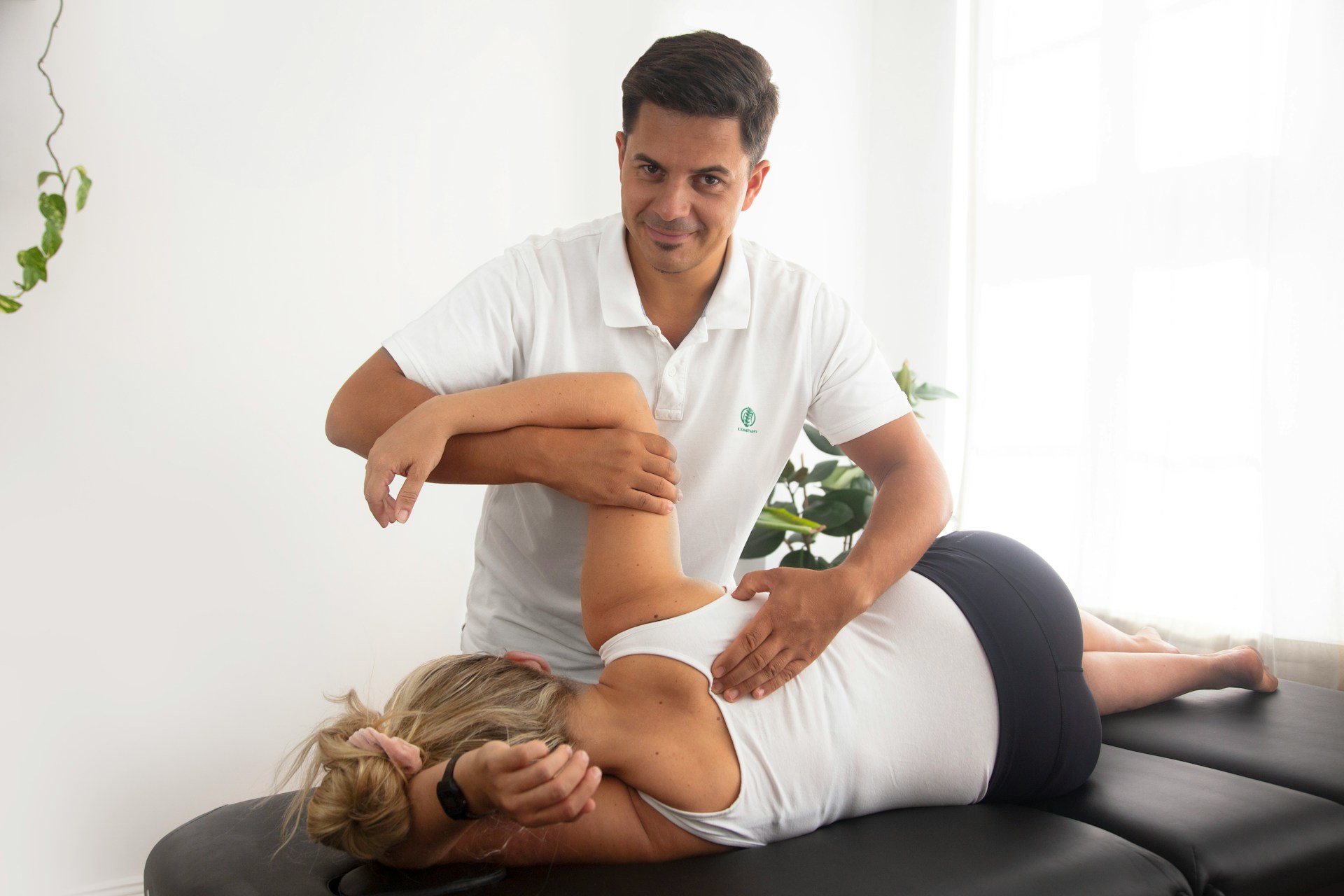
When your body’s been injured, usual movements can trigger more than just discomfort, they can bring hesitation too. The mind starts holding back because it’s scared pain might return. Physio helps rebuild trust in those movements by breaking them down into smaller parts, then working on each one safely.
We often guide people through basic actions like:
- Sitting and standing up without stiffness
- Reaching above the head without pulling through the back
- Bending slowly to pick things up without holding the breath
It’s less about how fast you can go and more about how well you can move. With steady practice, the fear of reinjury starts to ease. That’s when confidence slowly returns, not just in movement, but in daily life.
Custom Support for Your Type of Work
No two jobs ask your body to move the same way. What’s needed in a retail setting differs from sitting at a desk or working outdoors. That’s why support needs to match the demands of your role.
We often work with different job types by helping you:
- Plan safe ways to lift, carry, or twist based on your work environment
- Learn mobility movements that mirror tasks like pushing a trolley, reaching to shelves, or standing for hours
- Practice routines that suit your hours, workdays, and recovery pace
Maybe you’re a delivery worker spending long hours behind the wheel, or maybe you split your week between admin and site tasks. Whatever the case, our focus stays on helping your body do your real work, not just exercises in a physio room.
At Macquarie Physiotherapy, our return to work physio in Newcastle and Lake Macquarie includes collaboration with referring doctors, safety managers, and employers to develop practical, outcome-focused rehabilitation plans. We personalise exercises according to the specific job demands and support every stage of work re-entry, so your plan is truly tailored.
The Role of Return to Work Physio in Pain and Fatigue Management
Many people expect pain to go away before they’re ready to head back, but that’s not always how recovery works. Sometimes, pain lingers or flares up with activity, especially once regular duties start again. Light movement can actually help manage this, as long as it’s done gently and at your own pace.
We often suggest:
- A few slow stretches or shoulder rolls during your day
- Shifting weight or position regularly to avoid stiffness
- Breathing out with effort instead of holding your breath
Fatigue can also sneak up, especially during longer shifts. That’s why pacing habits matter. By breaking up tasks across the day or swapping heavy jobs with lighter ones, you learn how to stay active without overloading your body. Movement breaks, even if just a minute or two, can restore energy when you feel it slipping.
We understand that work capacity and fatigue vary for each person, so we track progress and adjust your plan as your mobility and resilience grow over time. Our clinics in Belmont, Glendale, and Gateshead are accessible for workers throughout Lake Macquarie and Newcastle, making regular visits easier for those with busy schedules.
Rebuilding Workplace Routines with Guidance
Getting back into a work rhythm isn’t only about movement. It includes everything from the set-up of your workstation to how often you stop for a break. Recovery rarely moves in straight lines, so having a plan makes the whole thing less frustrating.
Some ways we often help shape those routines include:
- Suggesting break times that match how long you can stay comfortable sitting or standing
- Finding easier ways to lift or move objects, depending on the size and shape
- Keeping track of progress with regular reviews, so it’s easier to adjust if something starts feeling off
Pausing before things feel too hard can actually move recovery along. The goal isn’t to push through discomfort. It’s to figure out how to move in ways that keep your body responding, not resisting. Over time, balance, strength, and endurance become more reliable.
Staying Steady Through the Transition
The early days of returning to work can feel like slow steps. That’s OK. Recovery doesn’t happen on a strict timeline, and real progress usually shows up in day-to-day tasks. When you can take a short walk without needing to sit, lift a light box without bracing yourself, or get through a workday without a flare-up at night, those are clear signs of improvement.
Return to work physio in Newcastle and Lake Macquarie can support this process by keeping the focus on what helps you feel steady again. With small steps, steady pacing, and movements that match your real tasks, work can start to feel like a place you belong again, not a place your body fears.
When it seems like you’re doing everything right but work still leaves you feeling fatigued, it might be time to reconsider how your body handles daily tasks. We support people throughout recovery by focusing on how each workday actually feels, not just what’s on your to-do list. Sometimes, small changes to movement, posture, or how you pace yourself can make everyday duties feel easier. Discover more about how return to work physio in Newcastle and Lake Macquarie makes a difference during the transition back to work. Reach out to Macquarie Physiotherapy to chat about your next steps.