Whether the issue came from work, sport, or just daily life, having someone nearby to guide your recovery can make things feel simpler. We understand how frustrating it can be to slow down, especially if you’ve got a busy lifestyle. Let’s take a look at some of the ways a local physiotherapist might be able to help when things feel off.
Support After Injuries (Big or Small)
Not every injury happens in a dramatic way. Sometimes it’s a sudden twist or slip, and other times it builds up from doing the same thing over and over again, like lifting at work or training for sport. Either way, a physiotherapist can assess what’s happened and help you avoid turning a minor issue into a long-term problem.
- Common injuries we treat include sprains, muscle strains, shoulder or knee pain, and lower back pain
- Starting early can make a big difference, even if the pain seems minor at first
- We help guide safe movement and recovery, supporting your body so it doesn’t develop new issues while you’re healing
Getting assessed sooner helps prevent problems from spreading to other areas. When one part of your body isn’t working well, others tend to compensate, which can lead to more discomfort if not addressed gently and gradually. We work with your goals, so whether you want to get back to weekend sport or lifting things at work, recovery is paced around what matters to you.
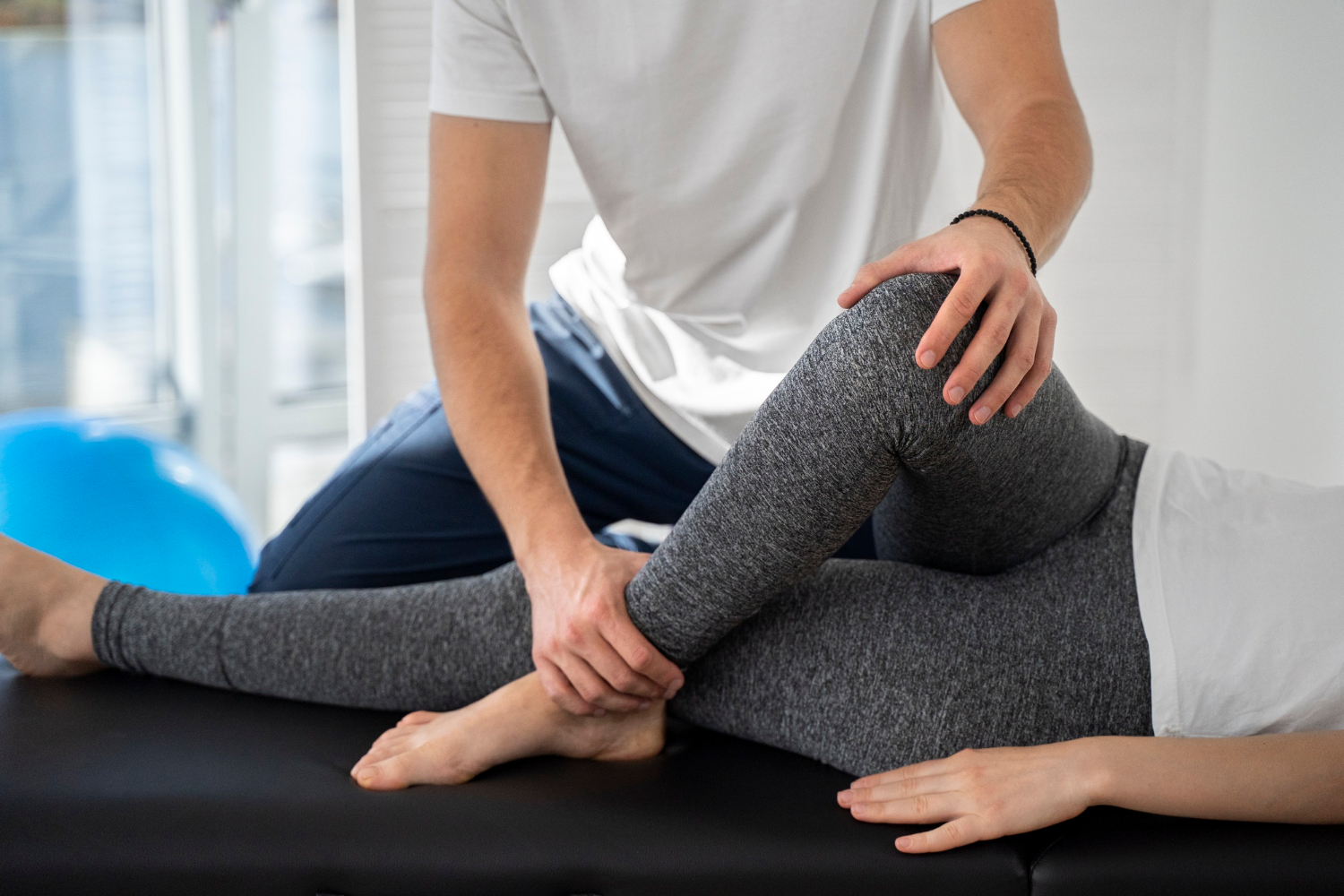
Macquarie Physiotherapy provides musculoskeletal assessments, hands-on therapy, corrective exercise, and rehabilitation programmes to support all stages of recovery, from recent injuries to long-standing pain.
Help With Ongoing Aches and Pains
Pain that doesn’t go away can be tiring. For some, it starts in the neck or lower back, especially after long hours sitting or standing. For others, it shows up in the knees or shoulders after years of repetitive habits. Sometimes there wasn’t one clear injury that started it all. It just built up over time.
- We help identify what’s keeping you sore and which movements may be making things worse
- Common ongoing issues include lower back tightness, neck stiffness, shoulder pain, and hip discomfort
- Treatment focuses on simple movements and exercises that gently build your strength and improve how you move daily
A big part of what we do is help people move with less hesitation. It can be hard to know whether pain means “stop” or just “be careful.” Having someone assess how your body moves and guide you through changes at your own pace can make a real difference.
Getting Comfortable After Surgery
After surgery, it’s common to feel unsure about how much to move and when to start doing more. Whether you’ve had a knee repair, shoulder surgery, or another operation, follow-up care can help you feel more steady and supported in your recovery.
- We start by assessing what movement you can do safely
- Sessions may include gentle movement work, strategies to manage discomfort, and exercises to help you regain strength
- Being local means recovery is easier to manage with fewer disruptions to your week
At Macquarie Physiotherapy, patients recovering from joint replacement or orthopaedic surgery benefit from step-by-step guidance and post-surgical rehabilitation programmes tailored to their needs across our Belmont, Glendale, and Gateshead locations.
Post-surgical recovery often requires regular care and check-ins. That’s easier when you can access support close to home. We build steadiness step by step, listening to what feels right and adjusting based on progress. The goal is to help you feel more confident doing your regular activities again, not just in the clinic, but in real life.
Everyday Movement and Mobility Support
Sometimes the problem isn’t an injury or surgery. It’s just that getting up feels harder, or balance seems a bit off lately. Your knees may ache going up stairs, or your back might feel tight after being still for too long. This kind of stiffness can sneak in slowly. Learning how to move through it safely can help you feel more like yourself again.
- We help with balance, posture, coordination, and strength for all ages
- Simple movement plans can help ease stiffness and support better mobility over time
- Support often looks like guided movement with small changes that build better habits