
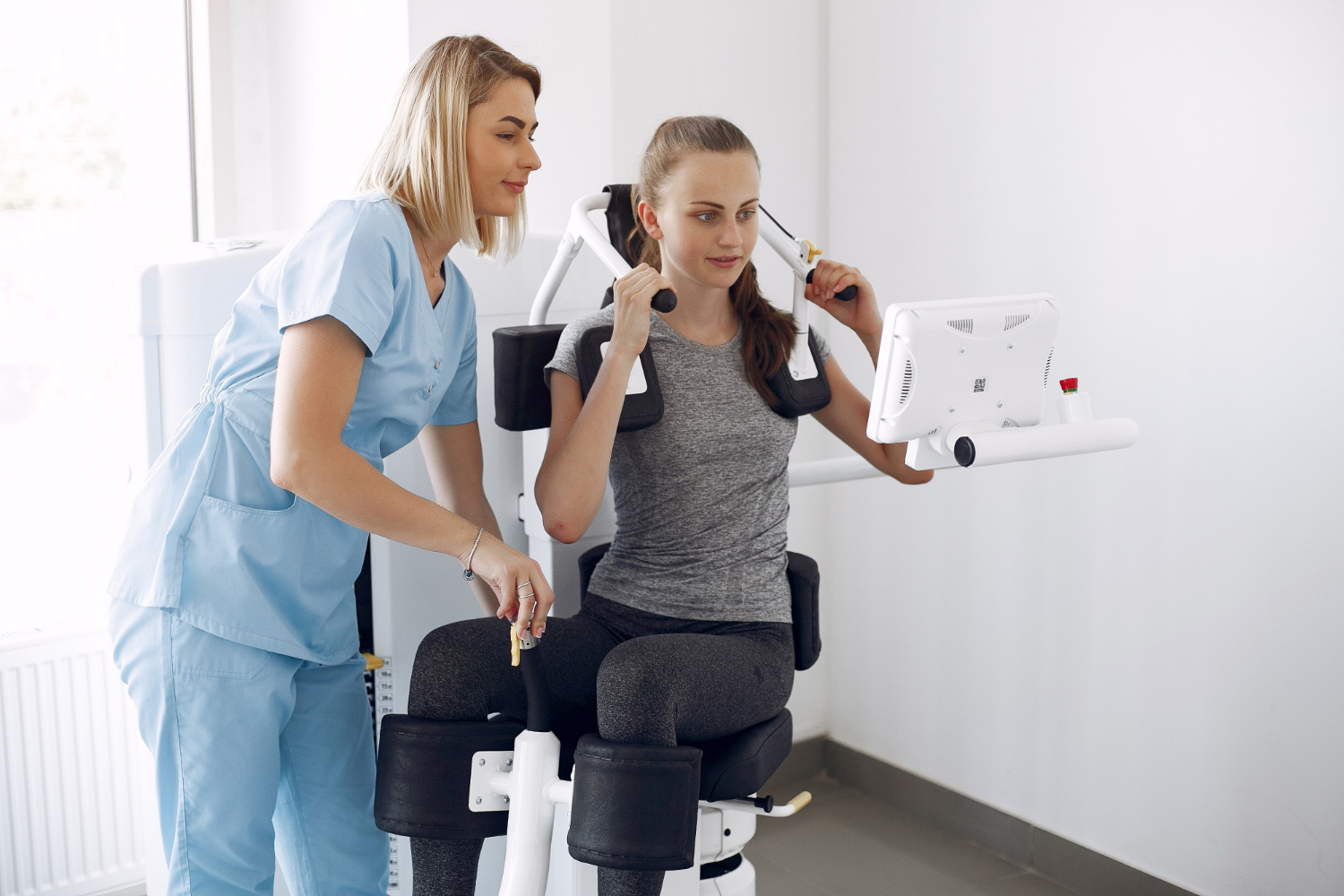
More people are noticing the benefits of evidence-based physiotherapy in Newcastle and Lake Macquarie, especially when it comes to getting back to the things they enjoy. Whether it’s paddling on Belmont Bay or walking the Fernleigh Track, they want plans that feel relevant and doable. People are asking better questions, and we’re giving clearer answers with care that keeps up with how life runs today.
What “Evidence-Based” Really Means
The term “evidence-based” comes up a lot, but in physiotherapy, it has a very specific meaning. It means bringing together:
- The most current clinical research
- What we’ve learned from working with real people over time
- What each person needs based on their lifestyle, symptoms, and comfort
Instead of using outdated approaches or relying on opinions alone, we focus on what the evidence shows is most helpful. For example, years ago, rest was often the first thing recommended after joint pain. Now, research shows that careful, guided movement is generally better for recovery in the long run.
It doesn’t mean research alone leads. It means we take quality research and apply it in practical ways alongside clinical experience and individual needs. We support people in choosing care that fits their day-to-day life, rather than expecting them to work around set protocols.
That way, recovery and movement feel more like part of daily life and less like something separate and hard to manage.
What a Session Might Look Like Now
Modern physiotherapy sessions are more thoughtful from the start. They tend to begin with deeper listening. We ask about your day, your goals, which movements feel fine and which don’t. Instead of just treating symptoms, we look at patterns in how the body moves.
Depending on what you’re managing, a session might include:
- Strength-building exercises suited to your stage of recovery
- Simple adjustments to how you sit, lift, or reach
- Support doing tasks more confidently, such as managing stairs, walking, or getting in and out of the car
You’ll also learn about what’s happening in your body. The more someone understands their recovery, the easier it is to spot what helps and what doesn’t. That knowledge can reduce fear, build confidence, and shift the focus from managing pain to building strength and capability over time.
Staying Local While Staying Informed
Even though research comes from across the country and around the world, applying it well is still a local thing. Having access to evidence-based physiotherapy in Newcastle and Lake Macquarie means you can work with someone who understands both the science and the local lifestyle.
Living near the coast or the bush comes with its own activity patterns and demands. Whether you’re managing post-surgical care or something like long-term back or joint stiffness, the plan needs to line up with things you actually do on a regular basis. Walking trails, helping with grandkids, working a physical job, gardening through summer — these day-to-day needs shape how care is planned.
You don’t need to travel far to get up-to-date support. Local clinics can provide plans that are backed by research and connected to your routine. That makes it easier to stick with the work and track progress without feeling like you’re starting over each week.
As one of the leading physiotherapy teams in the area, Macquarie Physiotherapy provides individualised assessments and treatment at our clinics in Belmont, Glendale, and Gateshead, grounded in both modern research and an understanding of local lifestyles. Our work with joint care, rehabilitation, and injury prevention is always guided by current evidence and professional experience.
Summer Routines and Recovery
January brings extra sunlight and a slower pace for many, which makes it a good time to work towards movement goals. Whether someone is coming out of a break or has New Year energy to channel, summer is a good opportunity to rethink what recovery looks like.
Here are a few reminders we often share this time of year:
- Try morning walks or stretches before the day heats up
- Keep a water bottle nearby and pace yourself with any outdoor tasks
- Choose shorter sets of strength work, repeated through the week, instead of one long single session
- Balance effort with rest, especially if you’re more active than usual over the holidays
Staying consistent helps form habits that last beyond summer. When movement becomes part of regular life again, strength and mobility can build with less push and more ease.
This time of year can bring both motivation and disruption, so we help people find that balance without needing to overdo it or stop altogether.
A Smarter Path to Long-Term Movement
Evidence-based physiotherapy isn’t about chasing perfection or doing everything at once. It’s about finding steady steps that work in your life, not just in theory. That might mean small daily exercises, posture adjustments, or checking in on how your body behaves on different days.
By shaping plans around actual needs and the best available approaches, we help people reduce risk over time, not just address the current issue. Progress looks different for everyone, but the goal is the same: more comfort, more capability, and more trust in how your body moves.
Strong routines, local support, and consistent guidance make that goal feel achievable, even when the path isn’t always straight. Recovery or movement improvement rarely happens overnight, but that doesn’t mean it has to feel stuck either.
With clear information and the right kind of care, movement can become something that supports your life, not something you’re always working around.
We’re here to support your goals with personalised care that fits your lifestyle. Every plan we create is shaped around what works best for your body, your pace, and your recovery journey. Our commitment is to provide clear options and ongoing guidance through all stages of movement and healing. To learn more about how we use evidence-based physiotherapy in Newcastle and Lake Macquarie, contact Macquarie Physiotherapy today.